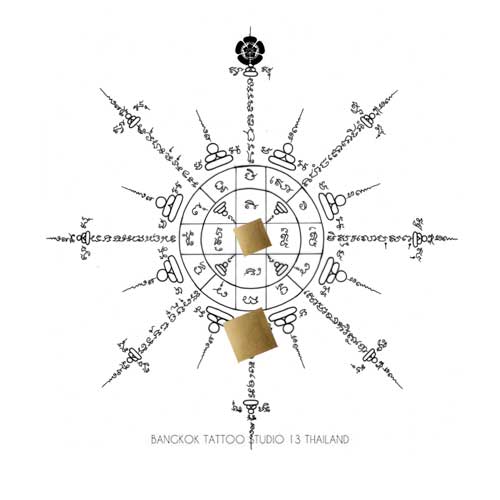
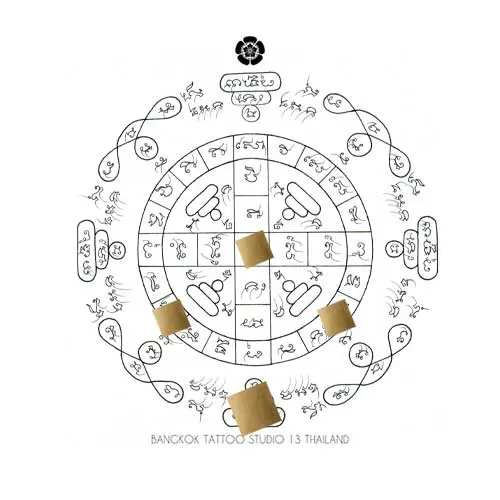
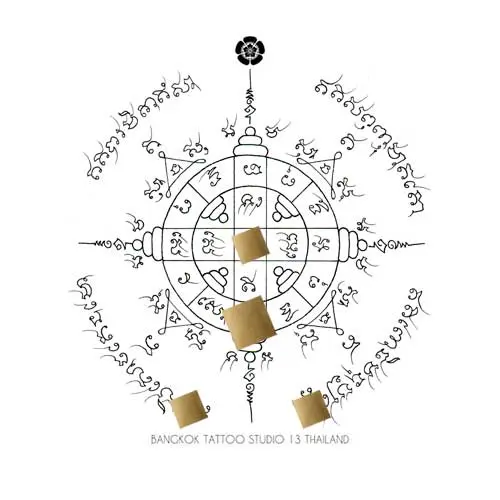
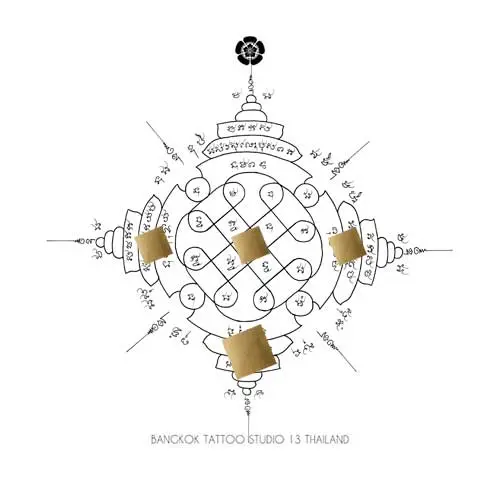
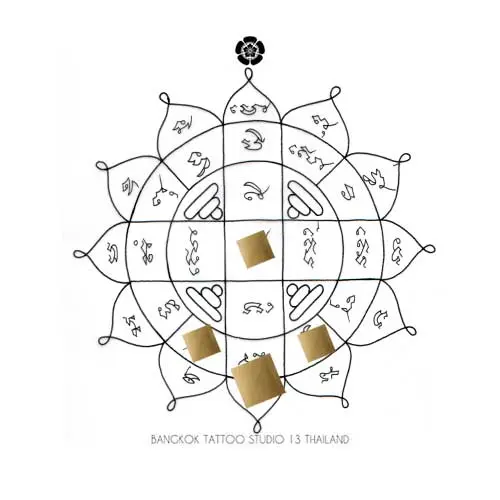
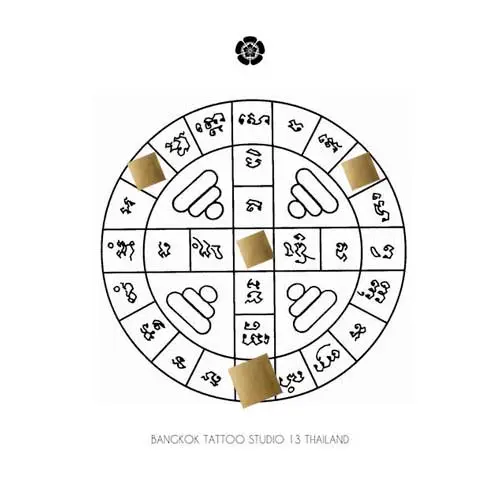
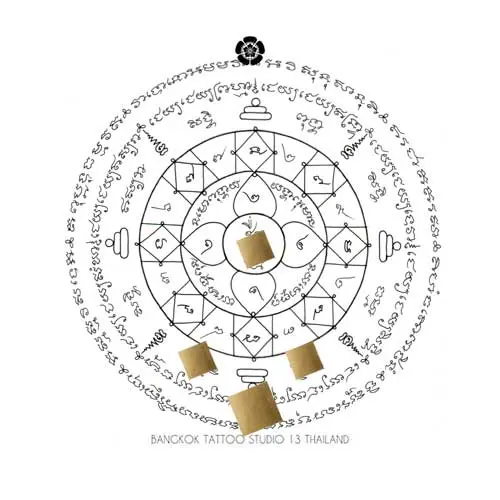
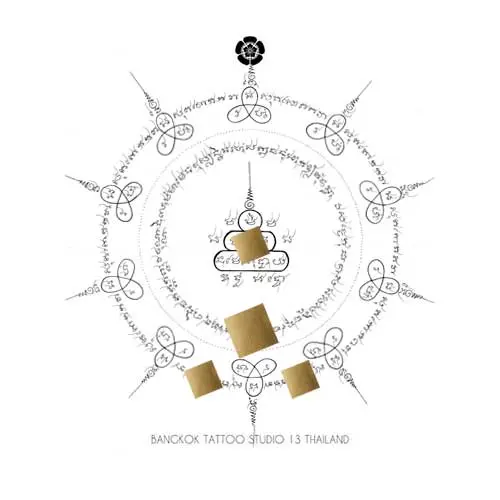
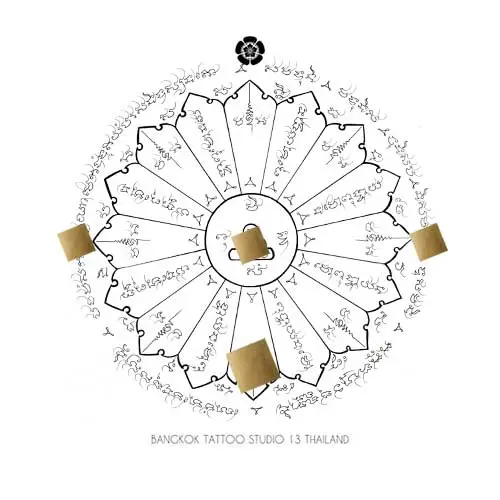
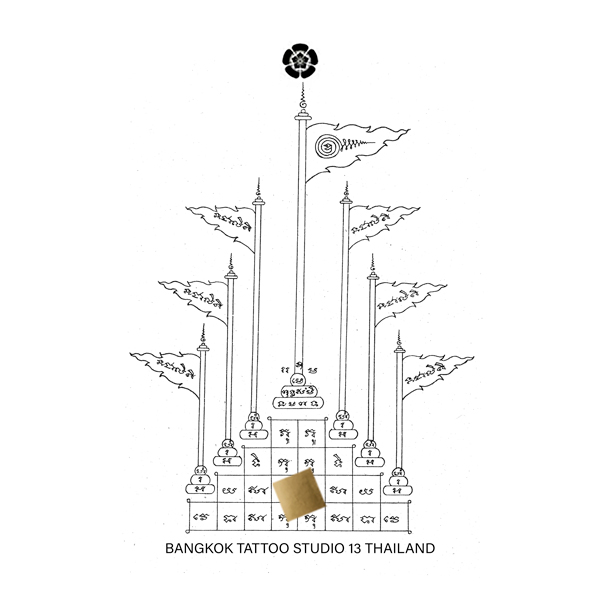
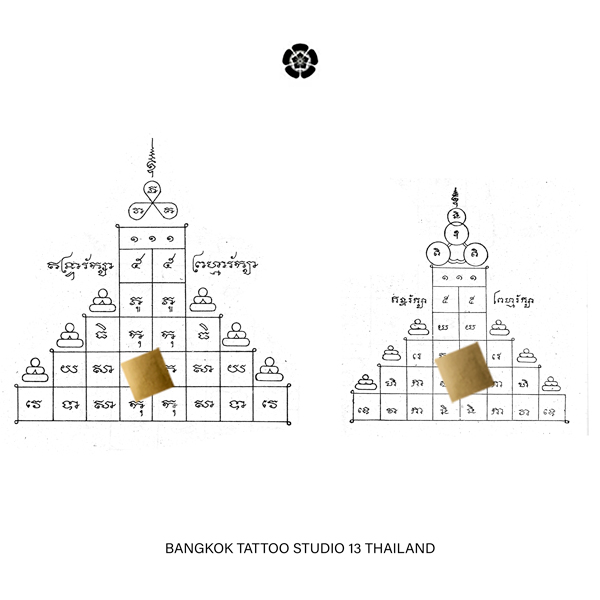
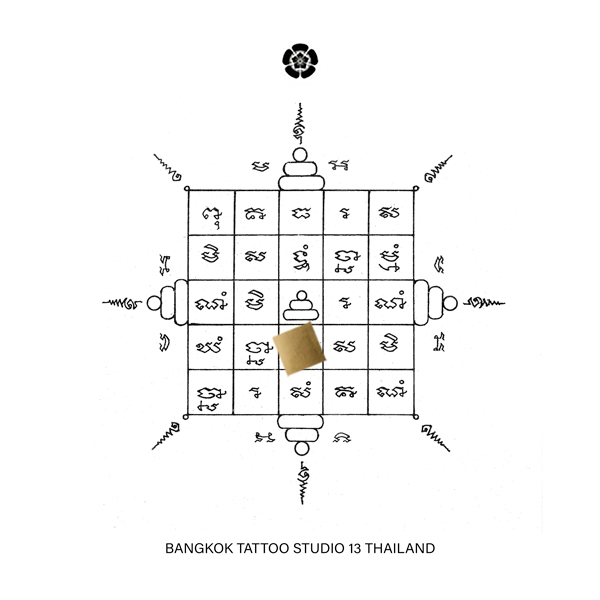
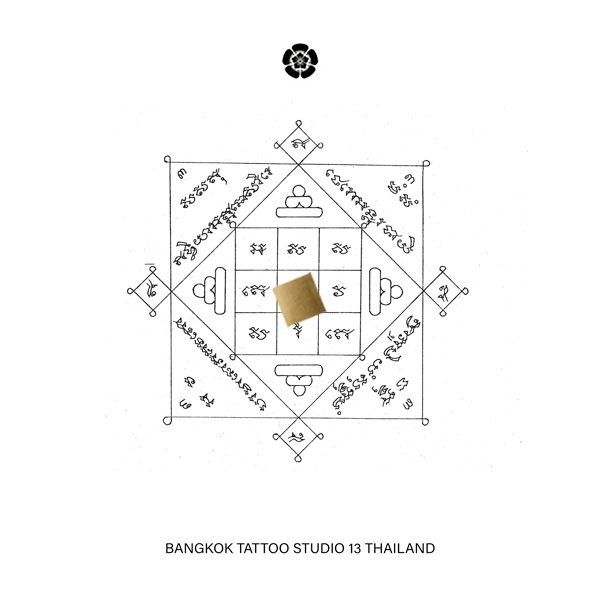
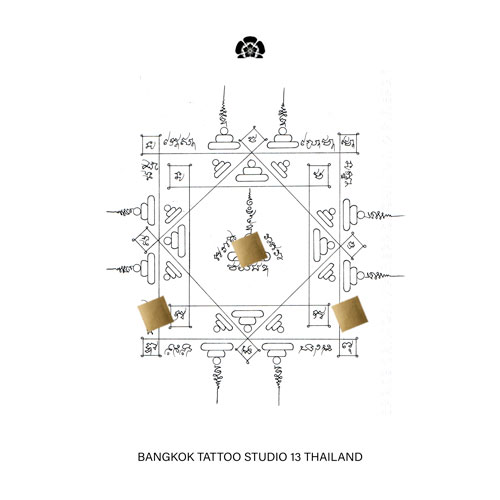
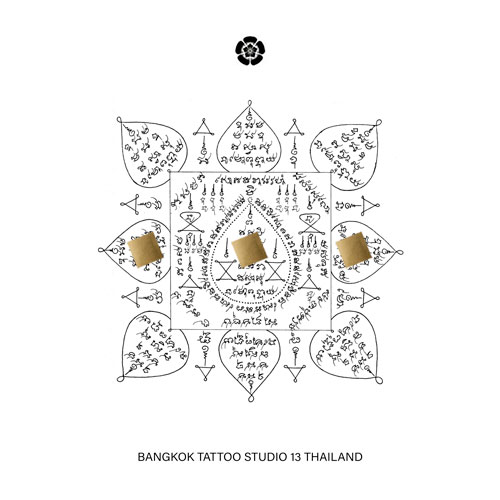
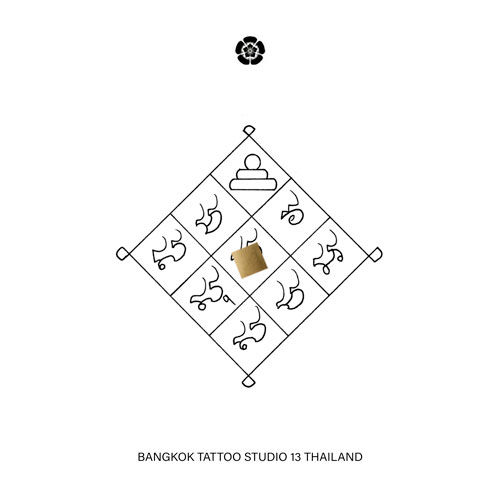
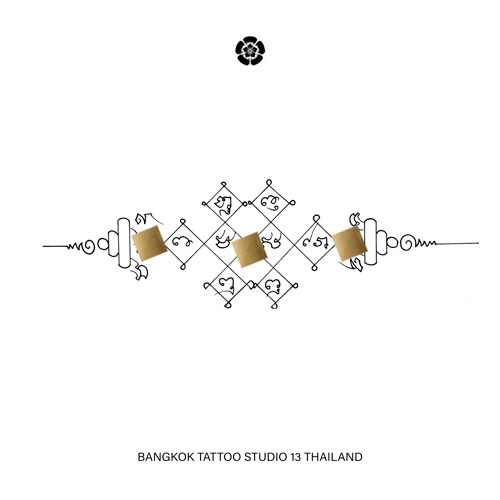
ยันต์แปดทิศ
Meaning:
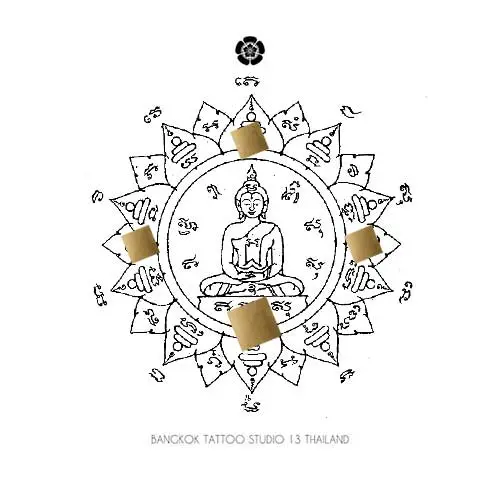
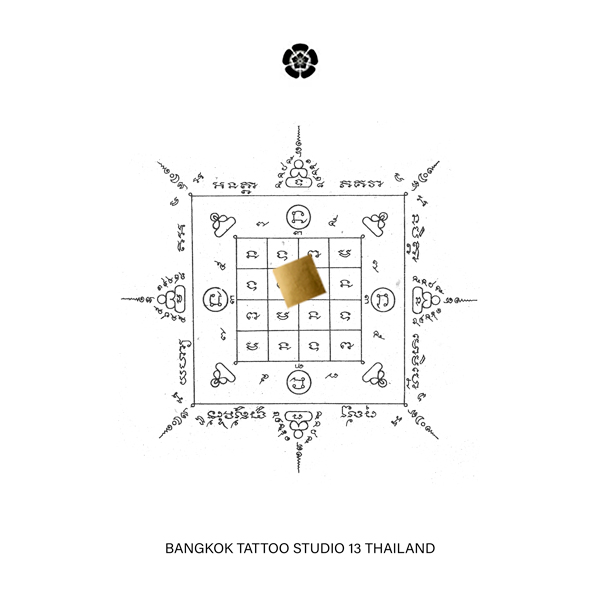
The Paed Tidt Sak Yant is traditionally associated with protection from danger,
accidents and negative influences.
Its eight points represent the eight directions, symbolizing a protective
shield surrounding the wearer wherever they go.
It is especially associated with travelers and people who want protection from
hazards and misfortune coming from any direction.
ยันต์แปดทิศ
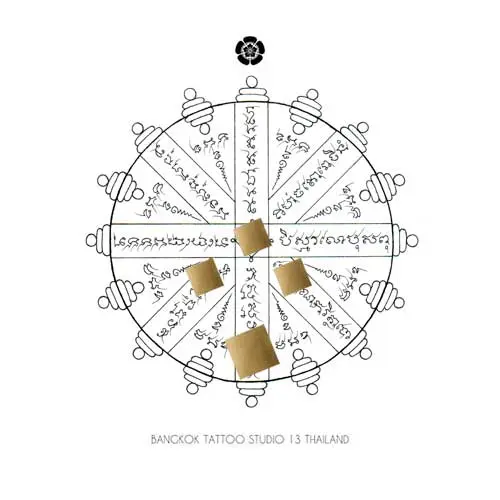
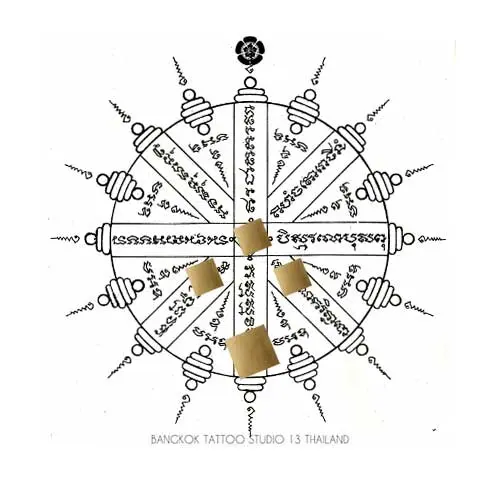
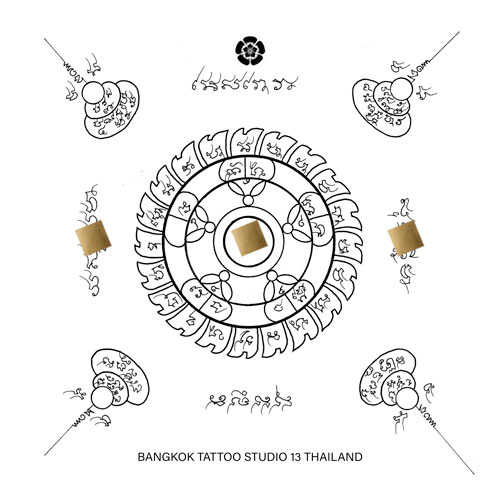
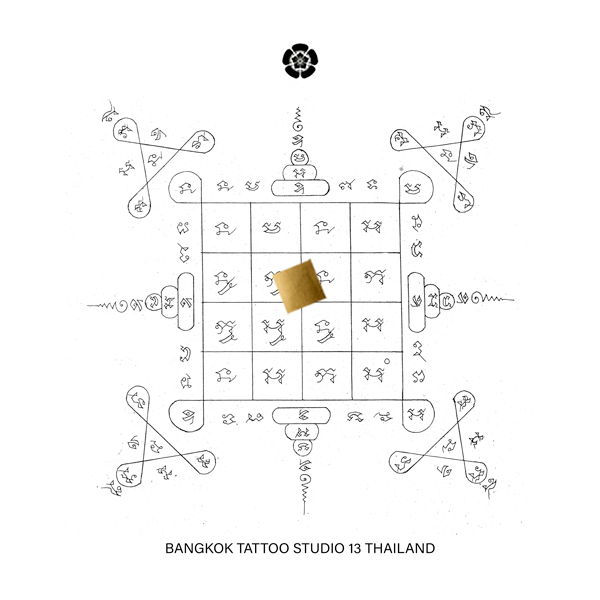
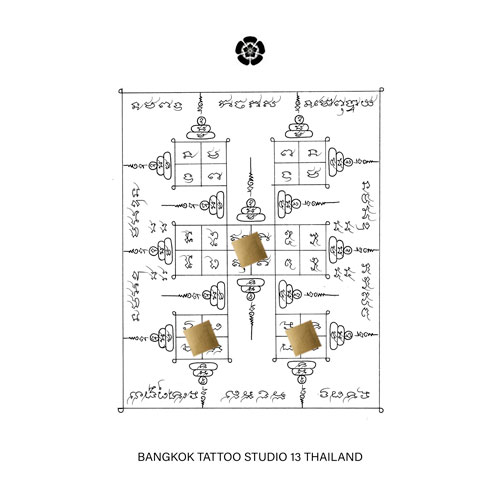
Version 2: A more detailed composition emphasizing protection from danger and harmful influences.
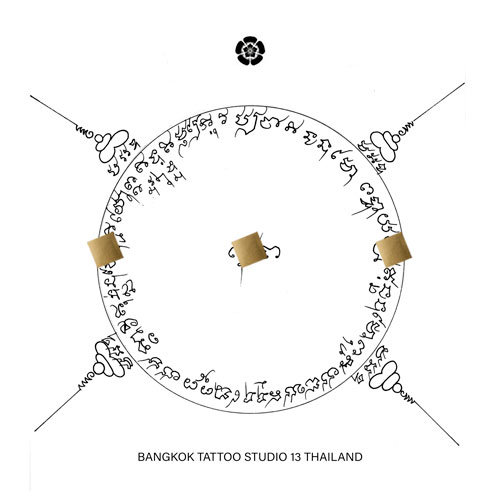
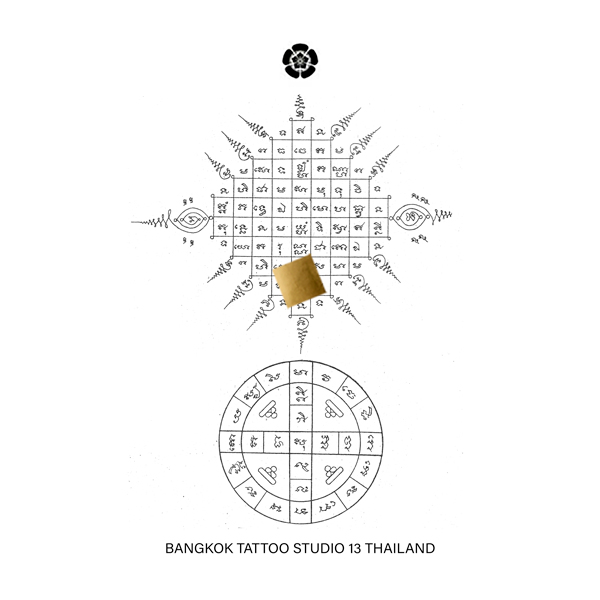
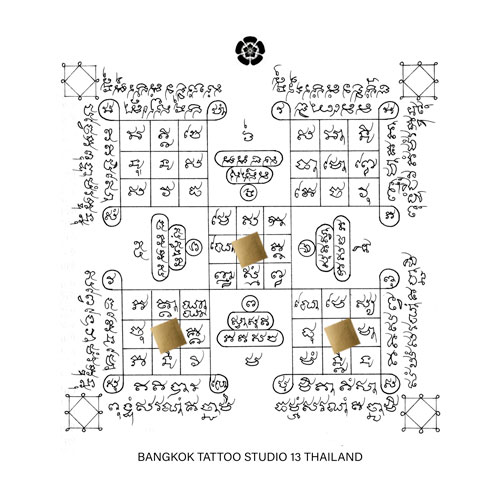
Version 3: A compact version symbolizing a protective shield surrounding the wearer.
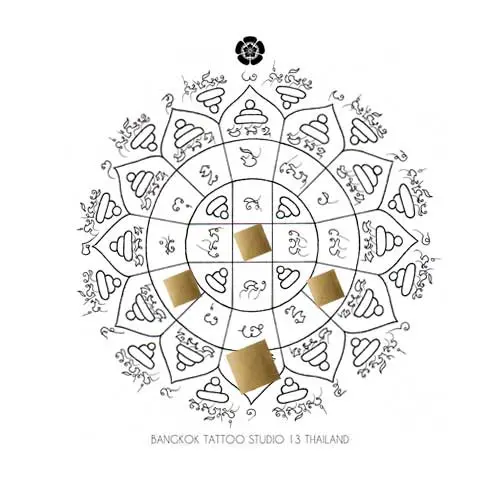
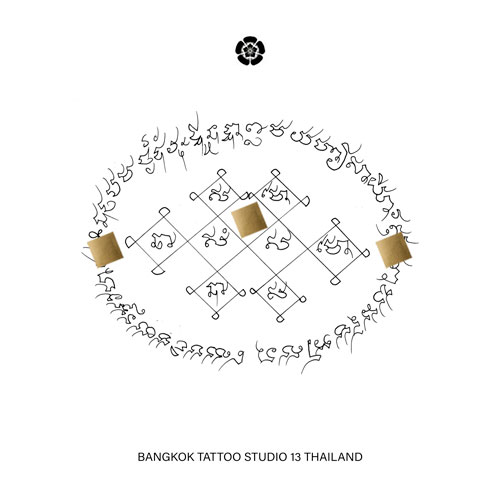
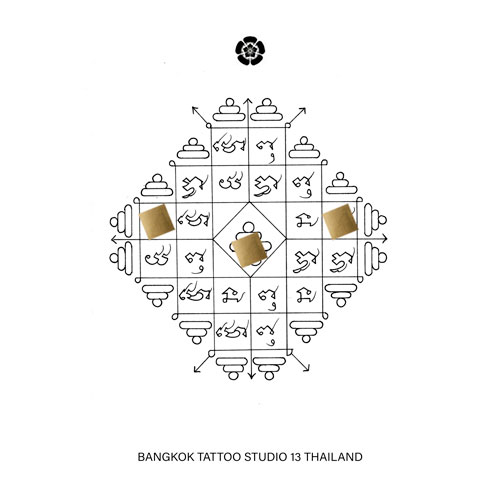
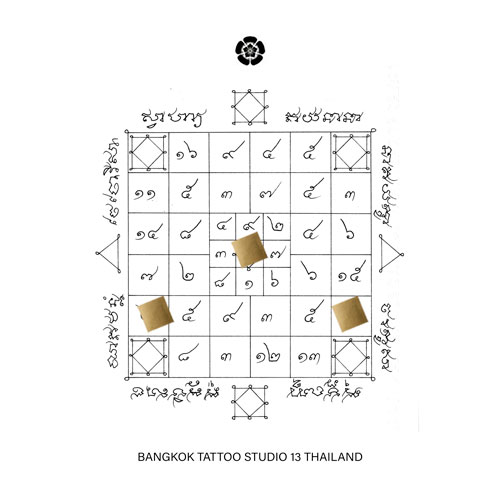
Version 4: A geometric variation associated with balance, direction and protection.
Version 5: A personalized variation whose meaning depends on its symbols and sacred inscriptions.
ยันต์อิติปิโสจักรวาฬฟ้าครอบ
Meaning:
The Itipiso Chakra is a traditional eight-direction talisman based
on the Itipiso Buddhist prayer.
Its circular composition symbolizes protection surrounding the wearer in every direction.
It is traditionally associated with safety during travel, protection from
danger and the removal of negative influences.
The design is linked to the Itipiso 8 Directions prayer and the Itipiso Mongkut,
which are traditionally used in protective talismans.
Its name is also connected with the idea of a cosmic protective circle covering and surrounding the wearer.
In traditional practice, this yantra may be written on cloth or used as a sacred talisman.
When adapted as a tattoo, it represents protection, safe journeys, spiritual strength and
a protective shield against harmful influences.
These meanings come from traditional beliefs and should not be understood as guaranteed effects.
ยันต์แปดทิศ
Meaning:
The Paed Daan Yant is traditionally associated with protection in all eight directions. Its eight-sided form symbolizes a protective shield surrounding the wearer across all spaces and directions.
Also known as the Itipiso Eight Directions Yant, this design is traditionally linked to the Itipiso prayer. In the past, travelers and monks were believed to use this protective yantra during long journeys through forests and unfamiliar places. It was associated with protection from wild animals, spirits, demons and other dangers.
For this reason, the Paed Daan is particularly suitable for people who travel frequently or spend a lot of time on the road.
Version 2: A personalized variation whose meaning depends on its symbols and sacred inscriptions.
ยันต์มงกุฏแก้ว
Meaning:
Yant Mongkut Kaew, meaning Crystal Crown Yantra, is a sacred protective talisman associated with the Buddha’s crown.
Traditionally, the design was placed inside or outside a hat, headscarf or
protective head covering, particularly for protection during travel or battle.
The crown symbolism represents high spiritual protection, dignity and blessings.
According to traditional beliefs, this yantra may help protect the wearer from danger, accidents, weapons, negative influences and harmful spiritual forces.
It is also associated with good fortune, kindness and receiving support from others.
Because the design is considered especially sacred, some traditions reserve its placement for the crown of the head.
ยันต์มงกุฏแก้ว
Meaning:
Yant Mongkut Kaew, meaning Crystal Crown Yantra, is a sacred protective design associated with the crown and the spiritual power of the Buddha. Traditionally, the yantra could be inscribed inside or outside a hat or head covering.
The design is believed to provide powerful protection, strengthen spiritual authority and help guard the wearer against danger, negative energy and harmful influences. Its crown symbolism also represents dignity, confidence, blessings and elevated status.
Because this yantra is traditionally connected with the head and crown, some lineages consider it especially sacred.
ยันต์มงกุฏพระพุทธเจ้า
Meaning:
Yant Mongkut Phra Phut Tha Chao, meaning the Buddha’s Crown Yantra, is traditionally associated with protection, loving-kindness, good fortune and spiritual strength.
The design is believed to shield the wearer from danger, harmful influences,
evil spirits and weapons.
It is also connected with metta mahaniyom a traditional belief in attracting
kindness, goodwill, respect and support from others.
Because of its protective and benevolent qualities, this yantra is often regarded
as a powerful all-purpose talisman.
Traditional beliefs also associate it with safe travel, protection from accidents and
turning difficult situations into more favourable outcomes.
In short: protection, kindness, luck, authority and defence against danger.
ยันต์จตุพุทธา
Meaning:
Yant Phra Yan Chatpuddha is a Buddhist yantra associated with the virtues and protective qualities of the Buddha.
Its name refers to four Buddha principles or sacred Buddhist powers
brought togetherin one talisman.
Traditionally, this design is believed to offer broad protection, compassion and
benevolent influence.
It is regarded as a versatile yantra that may support the wearer in many areas of life, including safety, good fortune, confidence and favourable outcomes.
The design is also connected with metta mahaniyom
the traditional belief in attracting kindness, mercy, respect and support from others.
In this sense, its protection is not only defensive:
the yantra is also intended to encourage goodwill and help the wearer receive compassion.
In short: Buddhist virtues, protection, mercy, kindness and overall support.
ยันต์มหามงคล
Meaning:
Yant Maha Mongkol means Great Auspicious Yantra. The design is traditionally associated with good fortune, blessings and protection from negative influences.
Its main quality is mahaniyom the belief that it helps the wearer gain favour,
kindness and support in the eyes of others.
This makes it especially suitable for people who work with the public, negotiate,
conduct business or regularly meet new people.
The round form is commonly associated with the right shoulder area,
although placement may vary according to the teacher or lineage.
Alongside its attraction and popularity qualities, the talisman is believed to create broad auspiciousness and help ward off misfortune, harmful influences and spiritual disturbances.
In short: popularity, kindness, support, good fortune and protection from negativity.
ยันต์ยอดมงกุฎ
Meaning:
Yant Yord Mongkut means Spired Crown Yantra or Crown Tip Yantra. Traditionally,
it is associated with good fortune, courage and protection during conflict or battle.
The round design represents a sacred crown and is usually placed at the top of the head.
Its position reflects the belief that the yantra protects the wearer from above while strengthening confidence, resilience and spiritual authority.
Historically, this yantra was associated with warriors and soldiers, particularly as a protective design for combat.
In broader terms, it is believed to help the wearer face danger, overcome obstacles and remain safe in difficult situations.
In short: luck, courage, protection in battle and safety from danger.
ยันต์มหาละลวย
Meaning:
Yant Mahalaluay is known as the Seductive Mercy Charm Yantra.
It is traditionally associated with attraction, personal charm and metta mahaniyom
the ability to inspire kindness, affection and goodwill in others.
The yantra is believed to help the wearer appear more appealing, approachable and persuasive. Its qualities are often connected with social relationships, romantic attraction, business negotiations and communication. Some traditions also associate it with prosperity, success in trade and drawing supportive people closer.
Unlike a purely protective yantra, Mahalaluay focuses mainly on influence and magnetism. The traditional belief is that people may feel friendliness, admiration or affection toward the wearer, making conversations and relationships more favourable.
In short: charm, attraction, mercy, popularity, persuasive communication and prosperity.
ยันต์พะเนียงแตก
Meaning:
Yant Phanieng Chatri, also known as a Maha Ut Yantra, is traditionally associated with invulnerability, physical protection and the ability to evade danger.
The term Maha Ut refers to protective or “stopping” power, especially
against weapons and firearms.
According to traditional beliefs, this talisman protects the wearer from bullets,
weapons, fire and other forms of physical harm.
It is also connected with klaew klaad, the ability to avoid accidents,
danger and threatening situations.
The yantra is regarded as particularly suitable for people exposed to risk, conflict
or dangerous environments.
These are spiritual and cultural beliefs rather than a guarantee of physical safety,
so the design should be understood as a symbol of protection and courage.
In short: invulnerability, protection from weapons and fire,
courage and escape from danger.
Meaning:
Yant Krut Dok Chan refers to a Takrut-style yantra called Dok Chan,
meaning Moon Flower or Flower of the Moon.
The design belongs to the broader Thai tradition of sacred yantras and talismans,
which combine magical script, Buddhist prayers and protective symbolism.
The exact meaning can vary according to the Ajarn, temple lineage and inscriptions
used in the design.
Traditionally, a takrut may be created for protection, attraction, popularity, prosperity or invulnerability.
For this reason, Yant Krut Dok Chan should not be assigned one fixed interpretation without seeing the actual design or knowing its specific lineage.
In general, it can be presented as a sacred protective and auspicious talisman connected with spiritual blessing, personal fortune and safeguarding the wearer.
In short: a Moon Flower takrut yantra associated with protection, blessings and auspicious energy.
พระยันต์ประเจียดเปล่งรัศมี
Meaning:
Yant Phra Yan Prajiad Plengrusam means the Prajiad Yantra of the Buddha Radiating Light. The phrase Plengrusam refers to the Buddha emitting a radiant aura of light.
Traditionally, this yantra is associated with compassion, spiritual radiance and protection.
Its benevolent power is believed to help the wearer gain mercy, kindness and favourable treatment from others, while also helping to avoid danger and harmful situations.
The design is particularly connected with prajiad, an inscribed protective cloth traditionally worn around the head or tied around the arm.
Depending on the yantra used, a prajiad may be intended for protection, evading danger, invulnerability, luck or popularity.
In short: Buddha’s radiance, mercy, protection, avoidance of danger and spiritual blessing.
ยันต์จักรนารายณ์ใหญ่
Meaning:
Yant Takrud Narai Chakra, also known as the Great Narai Chakra Yantra,
represents the divine discus of Narai, the Thai name for Vishnu.
In Hindu tradition, the chakra is a powerful celestial weapon associated with authority, protection and the destruction of evil.
As a takrut, the yantra is traditionally engraved on a metal sheet, rolled into a sacred scroll and blessed.
Takruts may be created for different purposes, including protection, prosperity, success, charm and invulnerability.
The Narai Chakra is believed to protect the wearer and their family, attract prosperity and bring great fortune.
Traditional beliefs also associate it with victory over enemies, protection from weapons, black magic, harmful spirits and major obstacles.
Its symbolism is especially suited to people seeking authority,
strength and success in their work.
The chakra represents the power to cut through danger, overcome opposition and restore balance.
In short: prosperity, family protection, authority, victory over enemies and defence against weapons and negative forces.
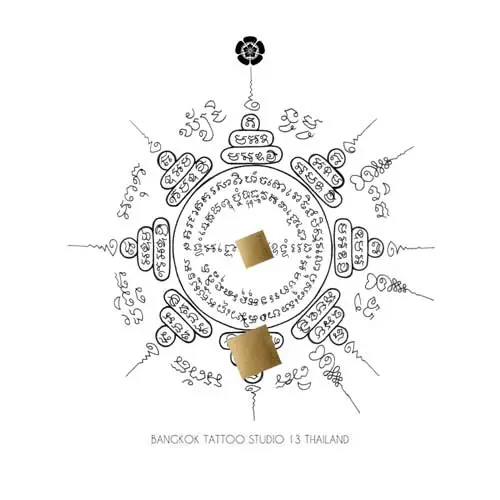
ยันต์ทองมหาราช
Meaning:
Yant Thong Maharaj – This talisman is for victory, authority and good fortune.
It is believed to bring success in business and public life,
protect against enemies and legal problems,
and give the wearer strong leadership and respect.
ยันต์พญาการุณ = Yant Phayakarn (Phaya Karun)
ยันต์พญาไก่เถื่อน = Yant Phaya Kai Thuan
Meaning:
These two sacred yantras are often used together.
Both are believed to bring good fortune, charm and protection.
They are especially popular among people who want to be loved,
respected and safe from danger.
Yant Phaya Kai Thuan (พญาไก่เถื่อน) is known for:
- Invincibility and protection against harm
- Good luck and new opportunities
- Strong charm and popularity – being loved by many people
ยันต์ตะกรุดพระพุทธนิมิต
Meaning:
Yant Takrut Phra Buddha Nimit
This sacred takrut is consecrated with Buddhist chants
before the image (nimitt) of the Lord Buddha.
It is believed to offer protection, good luck
and the power to change misfortune into blessing.
คาถาพระมหาโมคคัลลานะต่อกระดูก
Meaning:
Yant Maha Moggallana
This sacred yantra is linked to the great disciple Maha Moggallana,
who was known for his spiritual power and invincibility.
It is believed to protect against weapons and all kinds of danger,
and to help the body recover from injuries and broken bones.
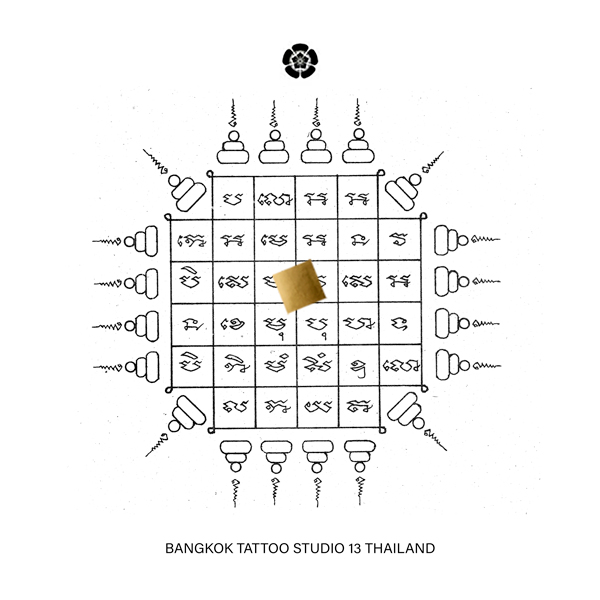
พระยันต์กำบัง
Meaning:
Yant Kang Bang – Masking Amulet
This sacred yantra is used for spiritual concealment and protection.
It is believed to make the wearer less visible to enemies and harmful people,
so that they do not notice him or see him as a threat.
Traditionally, this yantra can be worn on a turban or hat,
and is used together with chanting to strengthen its power.
ยันต์พระเจ้า ๑๖ พระองค์
Meaning
Yant 16 Buddhas – Protection and Invincibility Amulet
This sacred yantra represents the 16 Buddhas and their powerful mantras.
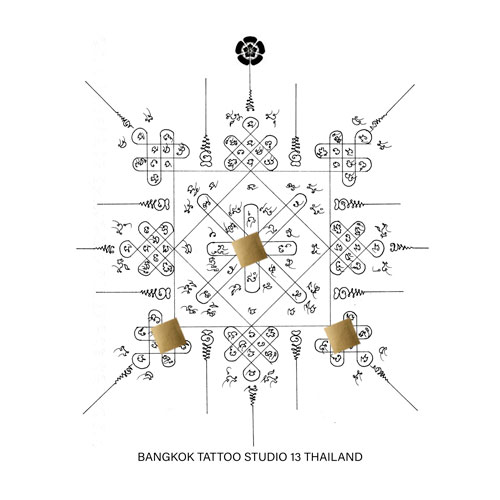
It is believed to offer strong protection against all weapons and dangers,
and to make the wearer invincible and safe from harm.
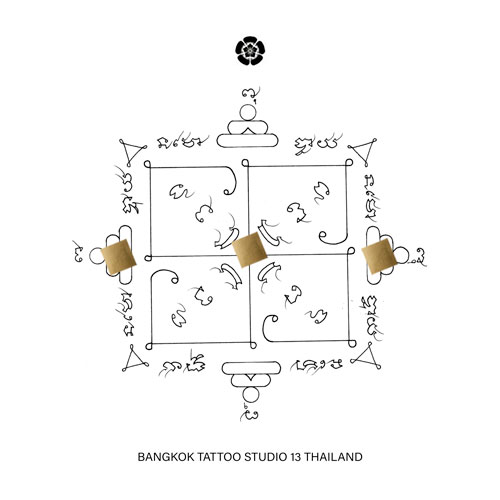
Traditionally, this yantra can be inscribed on metal, cloth or clothing,
and carried on the body for constant protection and good fortune.
ยันต์พระจันทร์ผันจักร์
Meaning:
Yant Phra Chan Phan Chak
This sacred Thai yantra features a square grid filled with sacred script,
surrounded by inscriptions and protective symbols.
A circular yantra is also shown below the main design.
The name Phra Chan refers to the moon, while Phan Chak is part of the traditional
name of this yantra. Its exact meaning and powers may vary according to the
Ajarn, lineage and consecration ceremony.
This yantra is traditionally associated with protection, sacred knowledge
and spiritual blessings.
ยันต์สงตะกรุด
Yant Song Takrud
Talisman Yantra, meaning belief, conquering enemies, mercy, great
ยันต์เกษาผิด
Yant Wrong Kesa
This traditional Thai yantra is known as Yant Kesa Phit.
Its name and sacred script may vary according to the Ajarn,
the lineage and the original yantra manuscript.
ยันต์ลงตะกรุด
Yant Long Takrut
This traditional Thai yantra is designed to be inscribed on a takrut,
a sacred rolled talisman that can be carried or worn on the body.
It can also be written on cloth to create a sacred prajiad,
which may be worn on the head, neck or upper arm.
Its meaning and spiritual powers depend on the yantra and mantra used,
as well as the Ajarn and the consecration ceremony.
ยันต์นะธาตุ
Yant Na That
This sacred Thai yantra is based on the sacred syllable “Na”
and the spiritual elements known in Thai as “That”.
It is traditionally used to bring balance, protection
and spiritual strength to the wearer.
The exact meaning of the sacred script may vary
according to the Ajarn, lineage and consecration ceremony.
ยันต์แก้วมณีโชติ
Meaning:
Yant Kaew Mani Chot
This sacred yantra is named after the Kaew Mani Chot,
a radiant wish-fulfilling jewel in Thai belief.
It is believed to bring good fortune, prosperity and success,
attract wealth and opportunities,
and help fulfil the wishes of the wearer.
The Kaew Mani Chot is traditionally described as a sacred jewel
that shines by its own light and removes darkness.